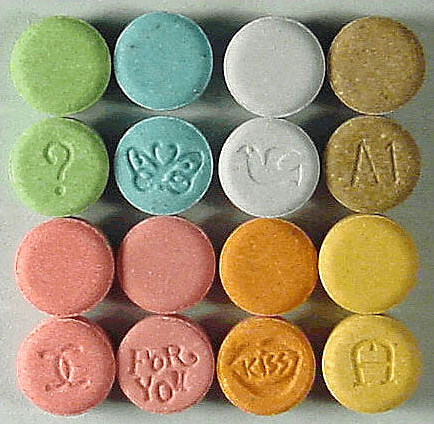
MDMA Before the Rave: From Lab to Therapy
MDMA (3,4-methylenedioxymethamphetamine) was first synthesized in 1912 by Merck chemist Anton Kollisch as an intermediate in the production of a blood-clotting agent, but it remained obscure for decades. In September 1976, American chemist Alexander Shulgin re-synthesized MDMA in his private laboratory in Lafayette, California, and self-administered it. Struck by its unique combination of euphoria, empathy, and emotional openness, he introduced it in 1977 to Leo Zeff, an Oakland psychotherapist who recognized its therapeutic potential.
Zeff came out of retirement to evangelize for what he called "Adam," training approximately 150 therapists and facilitating sessions for over 4,000 patients before MDMA was scheduled. Therapists used low doses (75--125 mg) to help patients process trauma, improve communication, and deepen emotional insight. Shulgin and his collaborator David Nichols published the first scientific paper on MDMA's effects in humans in 1978.
Despite this promising therapeutic trajectory, MDMA's recreational popularity -- particularly in Dallas nightclubs in the early 1980s, where it was sold under the name "Ecstasy" -- drew the attention of the DEA. On July 1, 1985, the agency placed MDMA on Schedule I via an emergency order, overriding the recommendation of its own administrative law judge, Francis Young, who had concluded that MDMA should be placed in Schedule III to preserve therapeutic access.